
 LU konference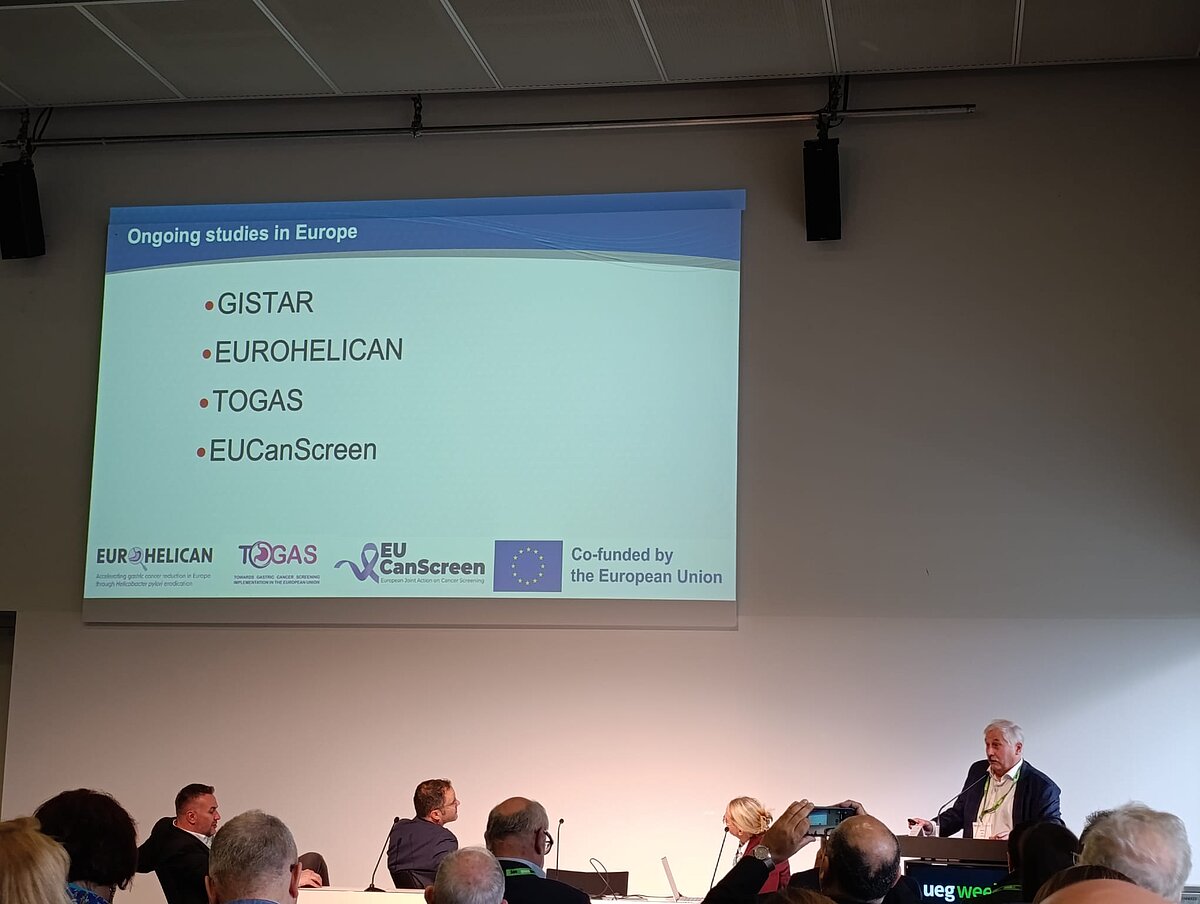
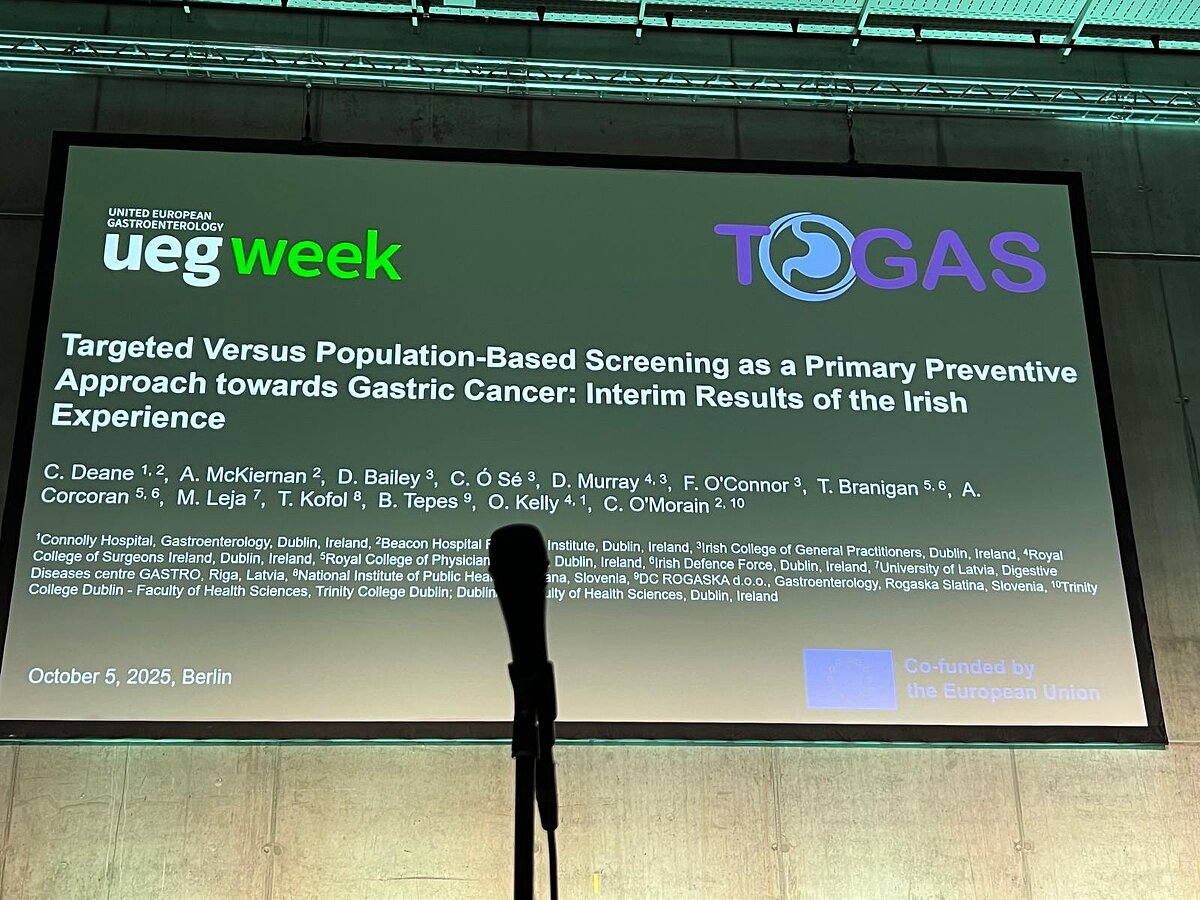
In absolute terms, the total number of newly diagnosed cases of stomach cancer in Europe is increasing, and the Council of the European Union has recommended the introduction of screening programs in regions with high morbidity and mortality. Latvia corresponds fully to such unfavorable statistics. However, no organized stomach cancer screening programs have been established in Europe.
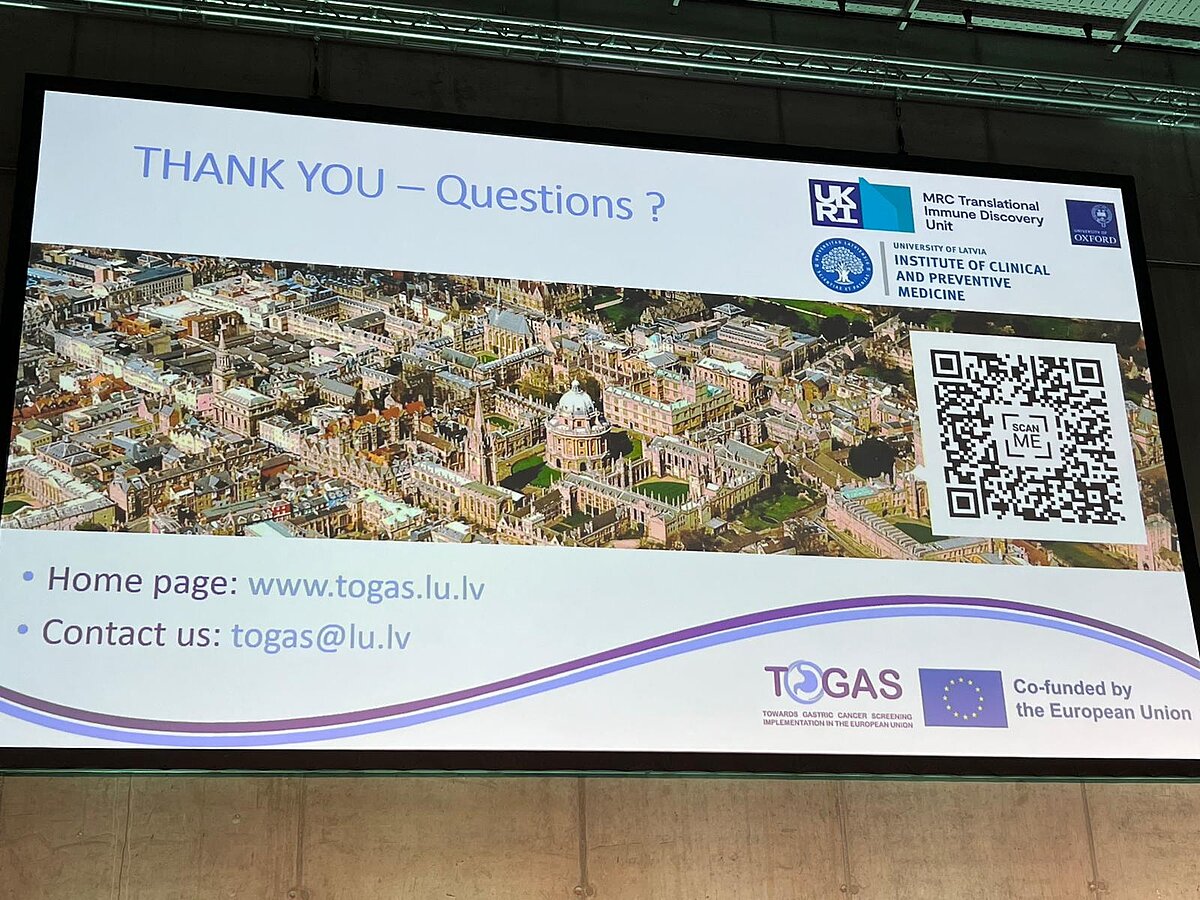
“Although there are several ways to reduce the burden of stomach cancer, for now it seems that the 'find and treat' strategy for Helicobacter pylori (H. pylori) infection may be the most appropriate for Europe. It is expected that projects such as GISTAR, EUROHELICAN, TOGAS, and EUCanScreen will provide the necessary evidence on which methods are best to reduce the risk of stomach cancer. The results will be important not only for Latvia but also for other European countries with similar statistics, as well as countries outside Europe. We already know that not only in Europe but also in the world, the GISTAR study data will provide significant new information,” emphasized Professor Mārcis Leja.
Stomach cancer is the fifth most common and fourth deadliest cancer in the world. In 2020, approximately one million new cases of stomach cancer were diagnosed, and almost 800,000 people died. The highest incidence rates of stomach cancer in the world after East Asia are in Central and Eastern Europe. In these regions, stomach cancer is most often detected late, so the probability of patients surviving the next five years is significantly worse—only 19%-30% of cases. Despite achievements in cancer therapy in recent years, five-year survival rates in most European countries have not improved significantly in recent decades.
About UEG Week: It was officially founded in 1992 when the first UEG Week was organized in Athens by the Hellenic Society of Gastroenterology under the leadership of Konstantinos Arvanitakas. In recent years, UEG Week has become one of the most prestigious events in medicine.
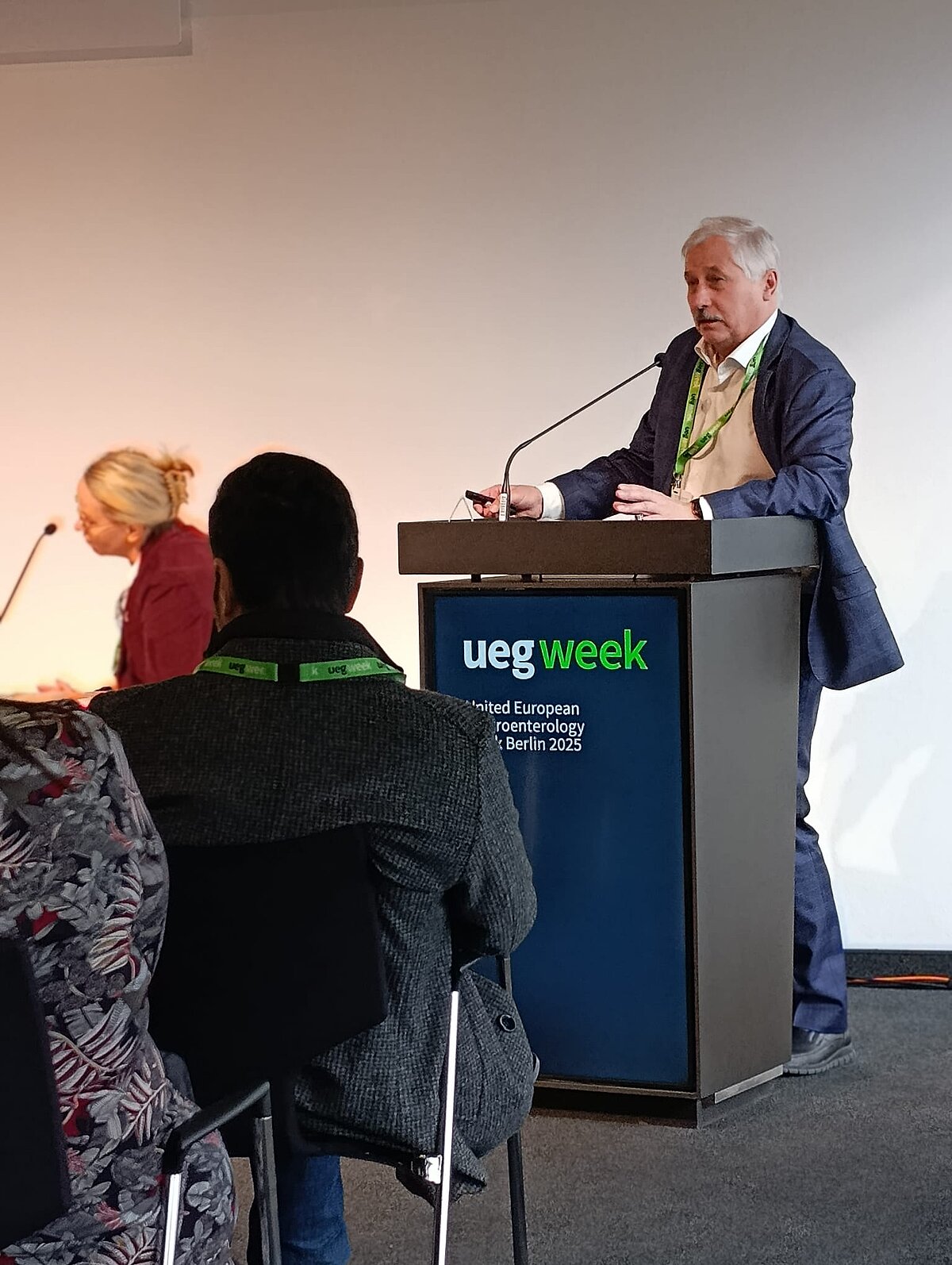
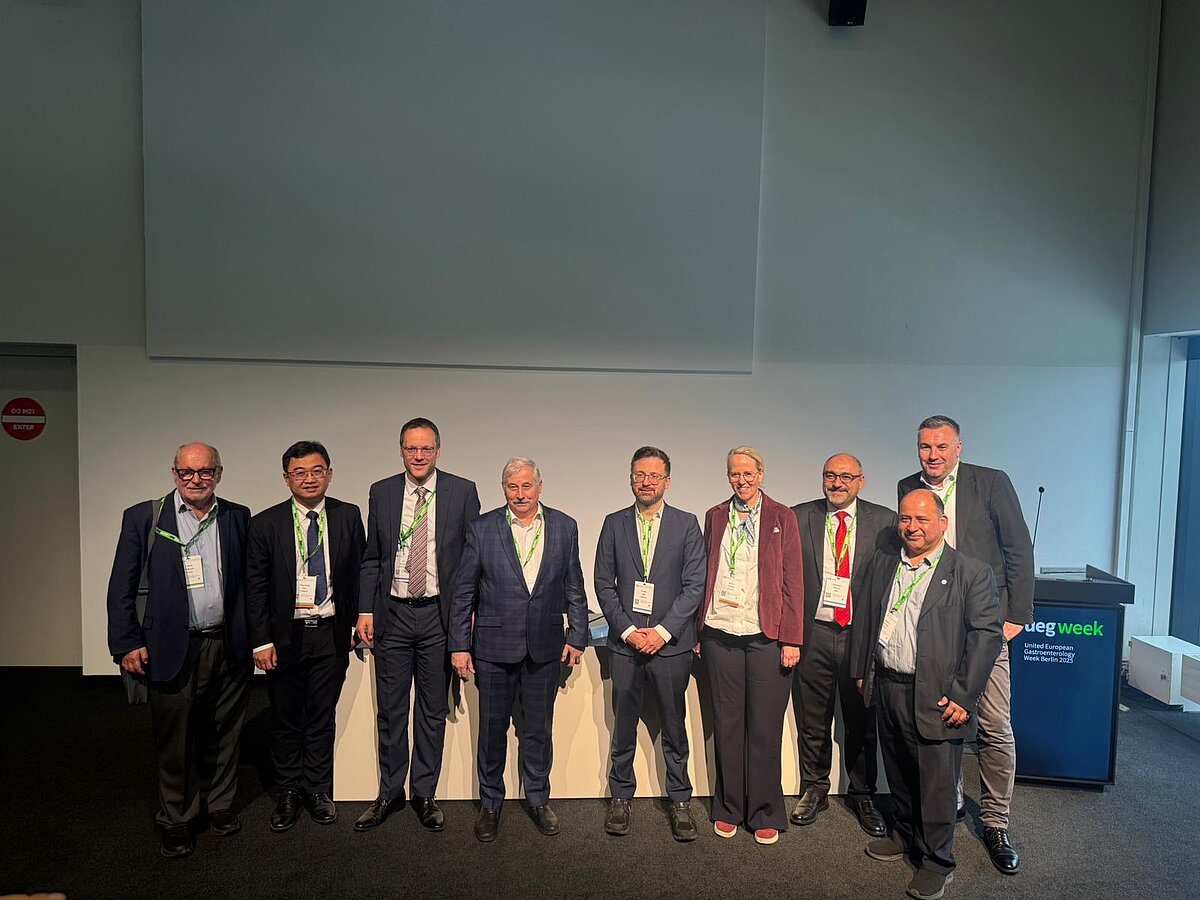
 in Berlin on October 5. During the event, the International Healthy Stomach Initiative Group meeting was held, where Professor Leja presented the projects GISTAR, EUROHELICAN, TOGAS, and EUCanScreen.)