
 LU konference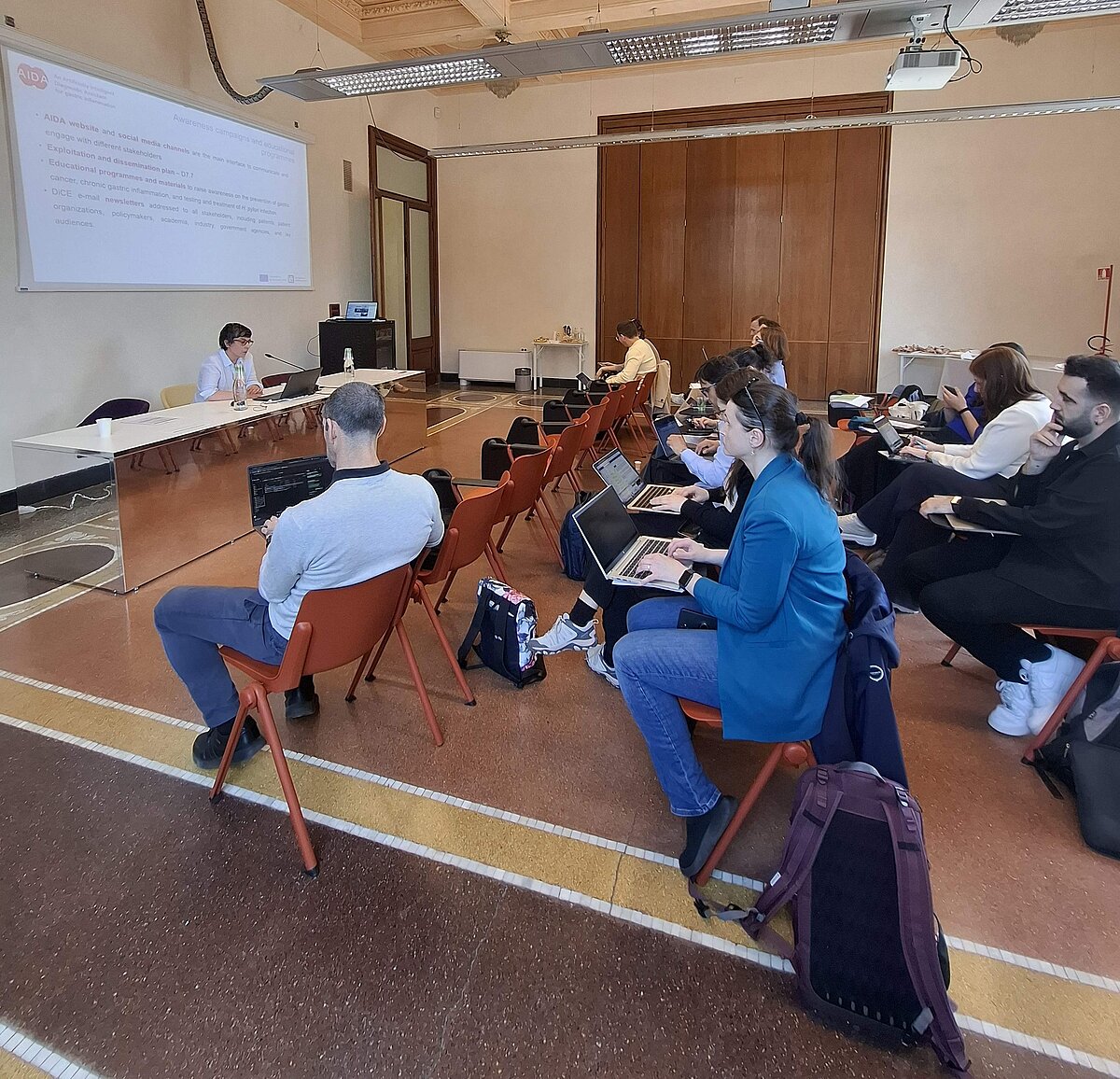
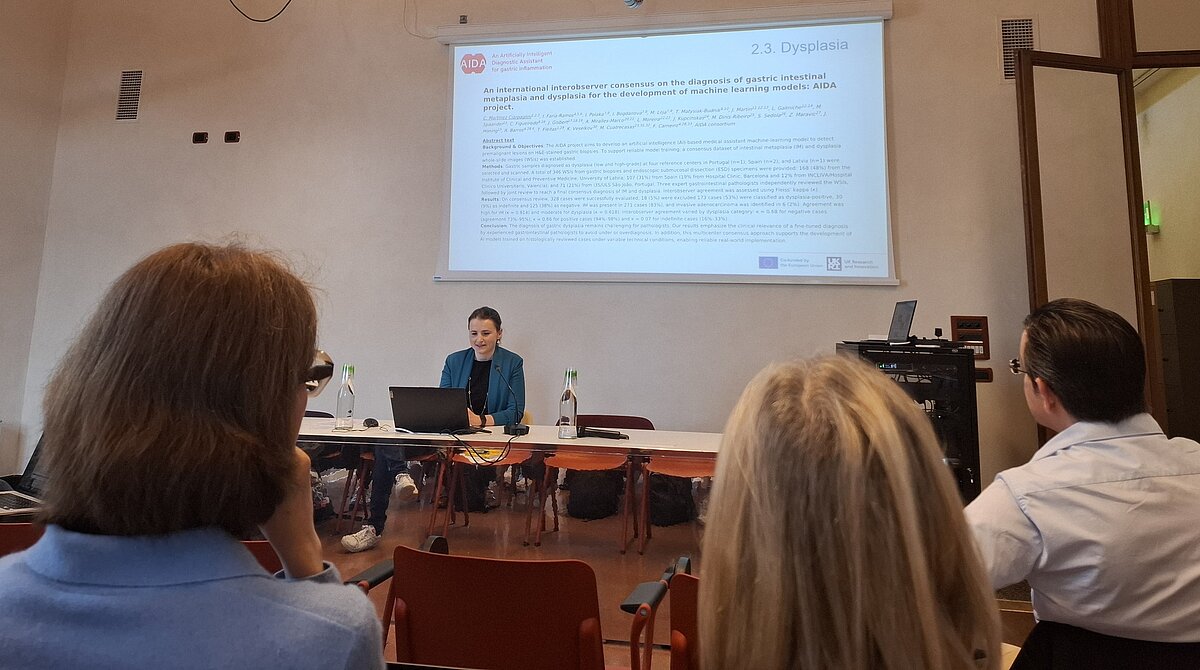
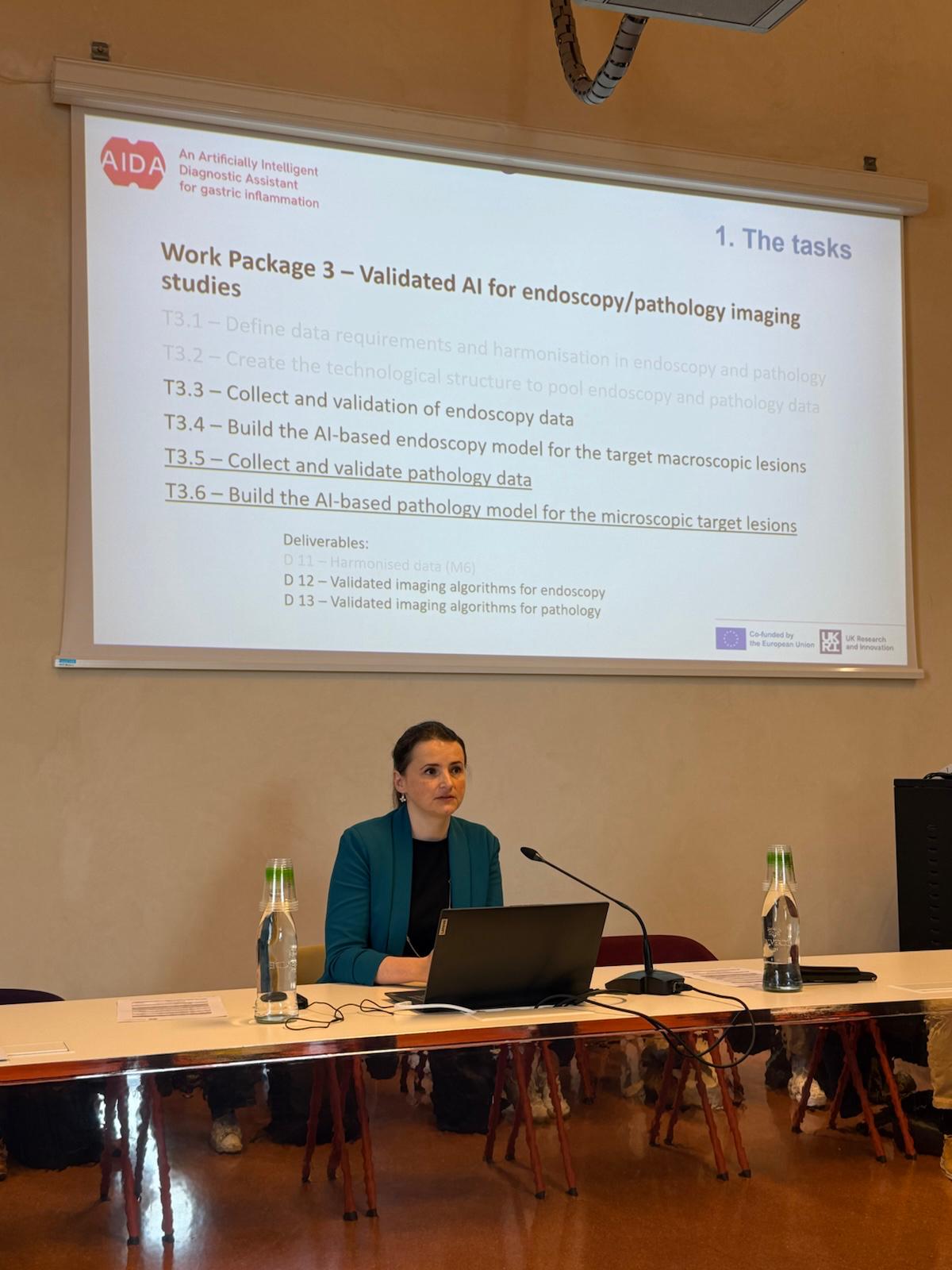
AIDA is a European Union project implemented from 2023 to 2026, with the aim of developing artificial intelligence (AI) solutions for the early detection and prevention of gastric cancer risk. The University of Latvia participates in the project as one of its partners, contributing to data analysis, research, and the development of AI solutions. Also participating from Latvia is GASTRO CENTRS, where patient enrolment and endoscopic examinations are carried out to collect additional data for the development of AI models — for detecting pathologies during endoscopy and in histopathology slides, as well as for biomarker discovery.
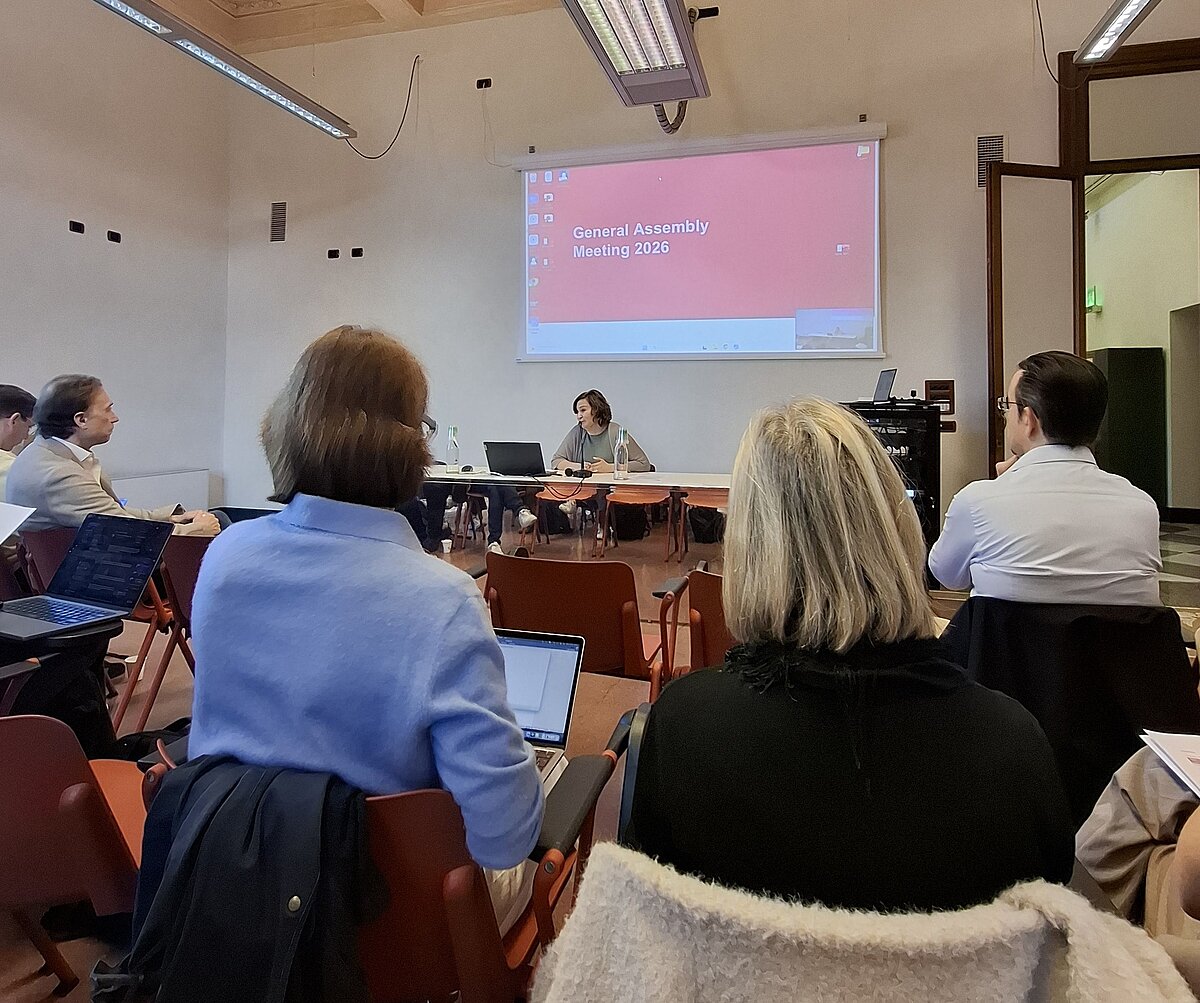
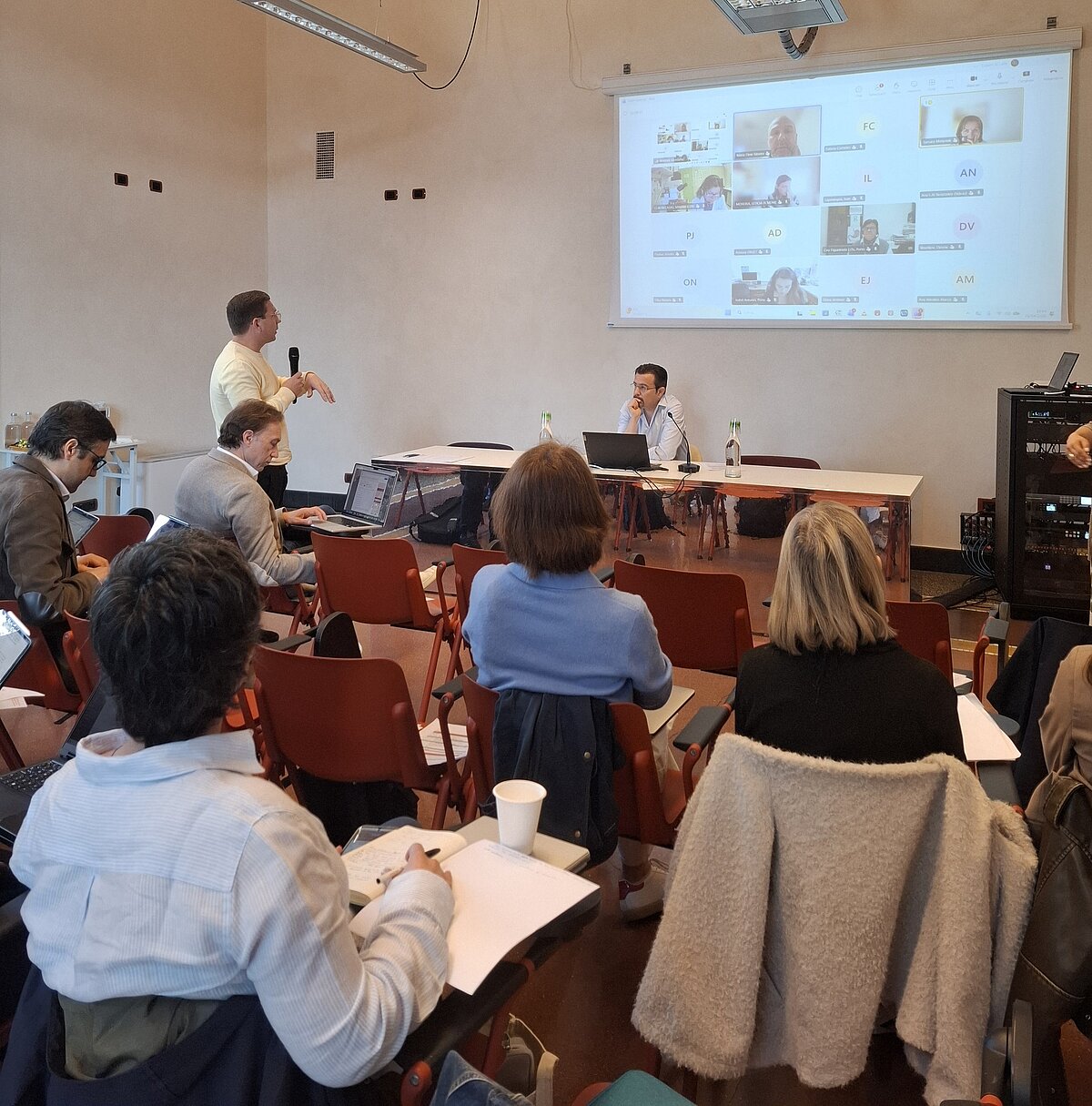
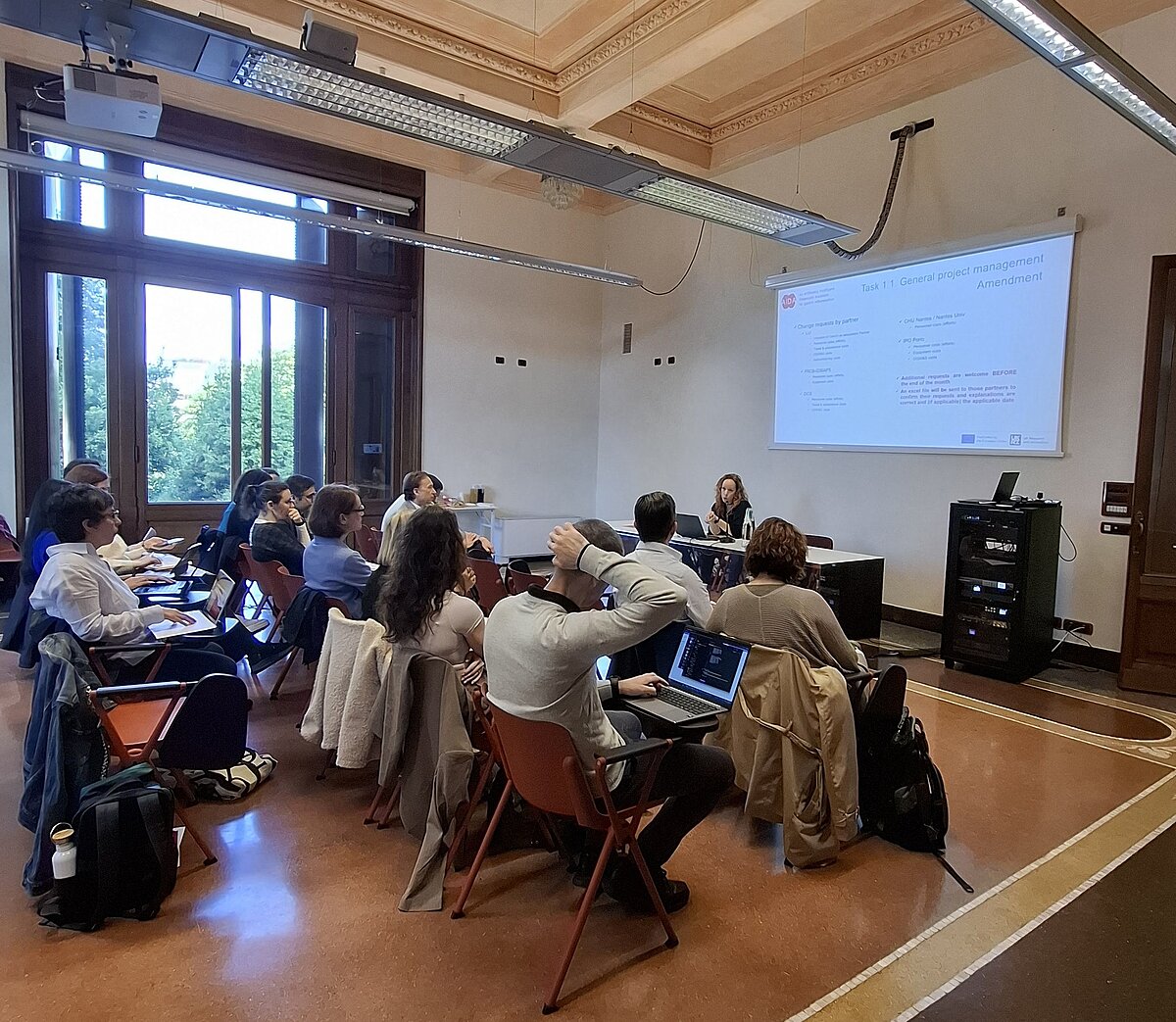
During the General Assembly, project partners discussed the project's progress, key results, and next steps. The agenda included topics such as the development of AI solutions for pathology and endoscopy image analysis, biomarker and molecular phenotyping approaches, as well as the development of data management and collaborative infrastructure. Ethics issues, publication and exploitation strategies, and the project's communication and dissemination activities were also discussed.
Following the General Assembly, the University of Latvia representatives also attended the international conference "AI for Healthcare: Longevity & Wellness", held in the same location on 23 April. The conference brought together researchers, healthcare professionals, and industry representatives to discuss the application of artificial intelligence in healthcare and the challenges of its implementation in practice. The discussions placed particular emphasis on the need to bridge the gap between research and its practical application, as a large proportion of AI solutions never reach real-world implementation in the clinical setting. European Union initiatives for the development of artificial intelligence were also explored, along with practical examples of its use in diagnostics, clinical decision-making, and personalised medicine.
Participation in these events provided an opportunity to strengthen international collaboration, exchange experience, and gain new insights into the development and implementation of AI solutions in healthcare — insights that will prove valuable in future research and collaborative initiatives.



Funded by the European Union (Grant Agreement No. 101095359) and supported by UK Research and Innovation (Grant Agreement No. 10058099). The views and opinions expressed are those of the author(s) only and do not necessarily reflect those of the European Union or the European Health and Digital Executive Agency (HaDEA). Neither the European Union nor the granting authority can be held responsible for them.
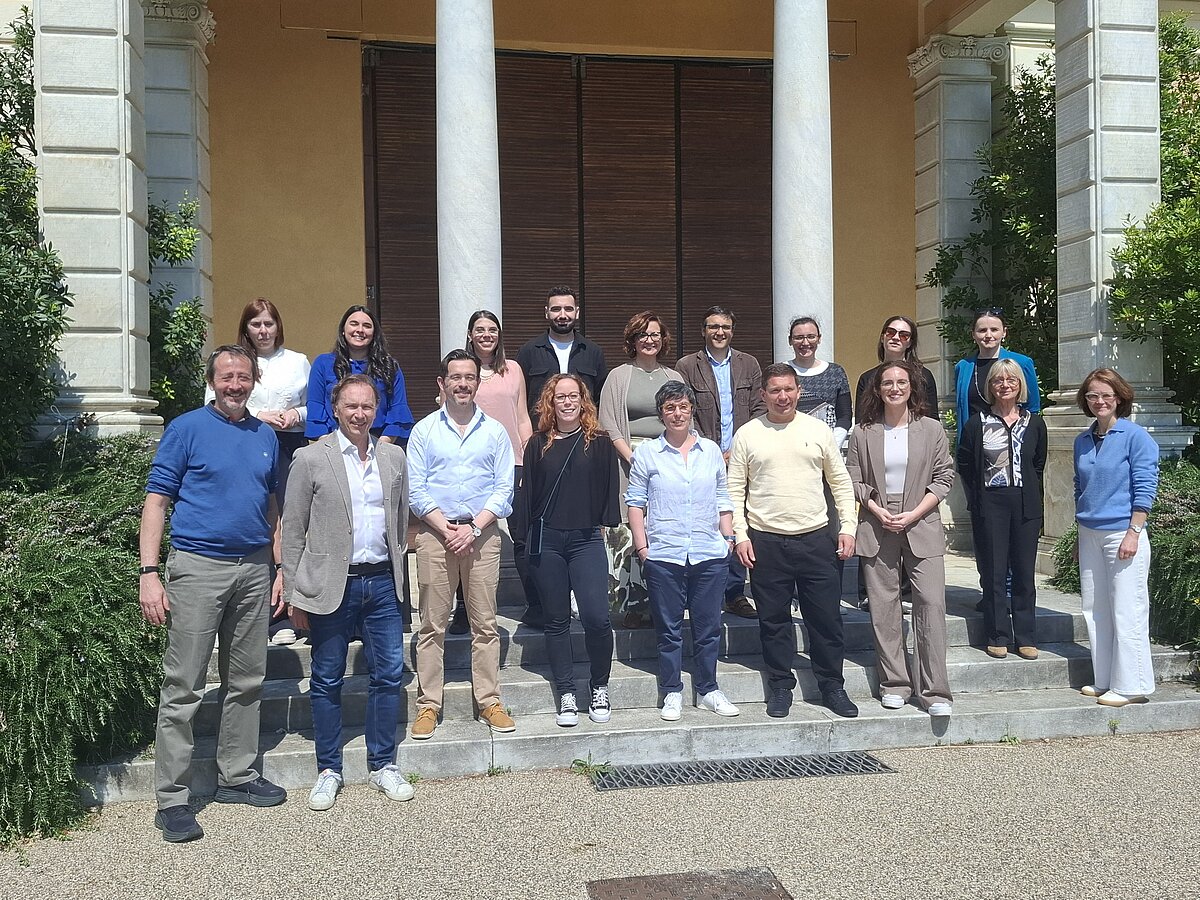
 General Assembly took place in Genoa, Italy, attended by representatives of the University of Latvia - leading researcher Inese Poļaka and researcher Dr. Danute Ražuka-Ebela.)