
 LU konference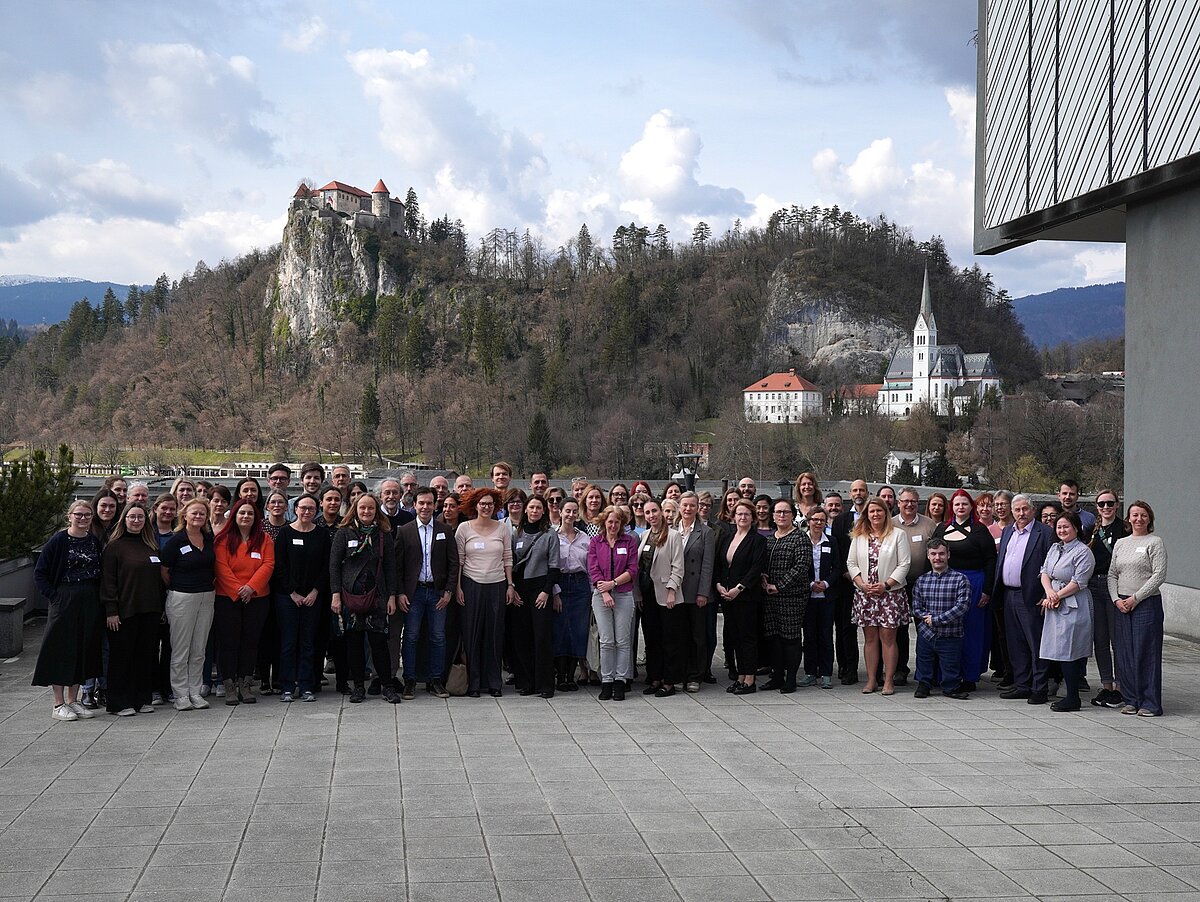
EUCanScreen brings together partners from 29 European countries and aims to support the sustainable implementation of high-quality screening programmes for breast, cervical, and colorectal cancers, as well as recommended screening for lung, prostate, and gastric cancers.
The meeting was opened by the project’s Scientific Coordinator, Professor and Director of the Institute of Clinical and Preventive Medicine at the LU, Mārcis Leja. It was followed by greetings from the representative of the host institution and leader of the sustainability work package, Urša Ivanuš, as well as from Mojca Gobec, representative of the Slovenian Ministry of Health.
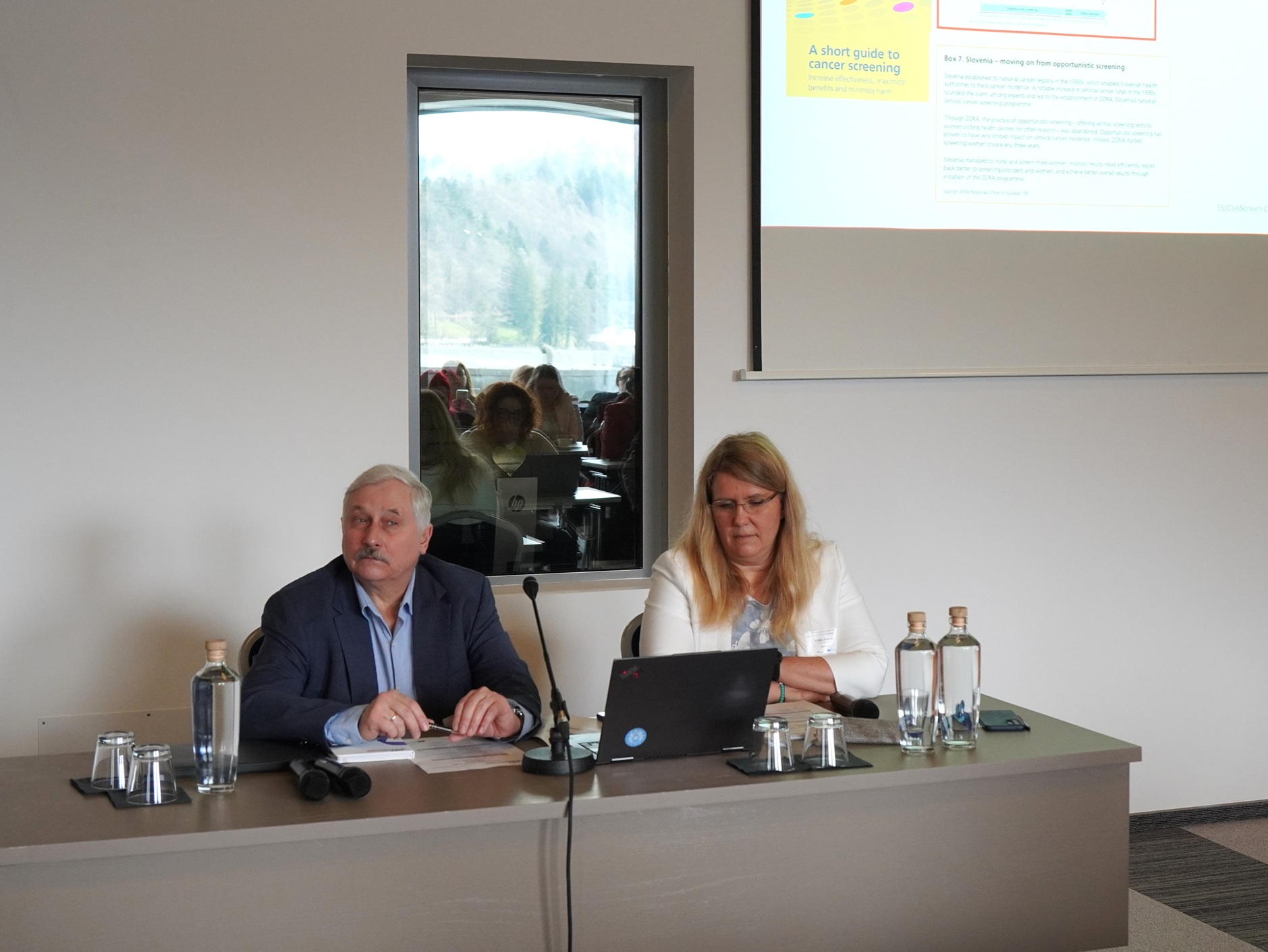
The opening session then continued with presentations on national good practices in screening implementation in Slovenia and the Netherlands, highlighting the tangible impact of organised, population-based programmes and providing valuable insights for other countries. Slovenia’s cancer screening system stands out for its high participation rates and strong integration within the national healthcare framework. Since the introduction of organised screening programmes, for example, the incidence of cervical cancer has more than halved, while colorectal cancer has dropped from the most common cancer in 2007 to fourth place in 2021, demonstrating the tangible impact of structured screening programmes. This was followed by insights from the Netherlands, where experience with lung cancer screening highlighted the effectiveness of low-dose CT in reducing mortality and enabling earlier diagnosis. At the same time, key implementation challenges were discussed, including imaging capacity, governance, and management of incidental findings.
A strong emphasis within the project is placed on specialist capacity¬-building. Several specialised training programmes are being implemented across key screening domains, including colonoscopy, upper endoscopy, cervical screening, and low-dose CT imaging. These programmes combine theoretical learning with hands-on practice and peer exchange. In total, seven specialised training programmes have been established, covering both established and emerging screening modalities. In the past year alone, approximately 156 participants took part in courses held across Europe, including in Lithuania, Hungary, Latvia, Italy, and Slovenia. These initiatives aim not only to improve clinical quality but also to ensure long-term sustainability through the development of regional training centres and a platform with training materials. To support training activities, the project is actively using a learning platform hosted by the World Health Organization. Currently, two courses are publicly available, while nine additional courses are accessible by invitation.
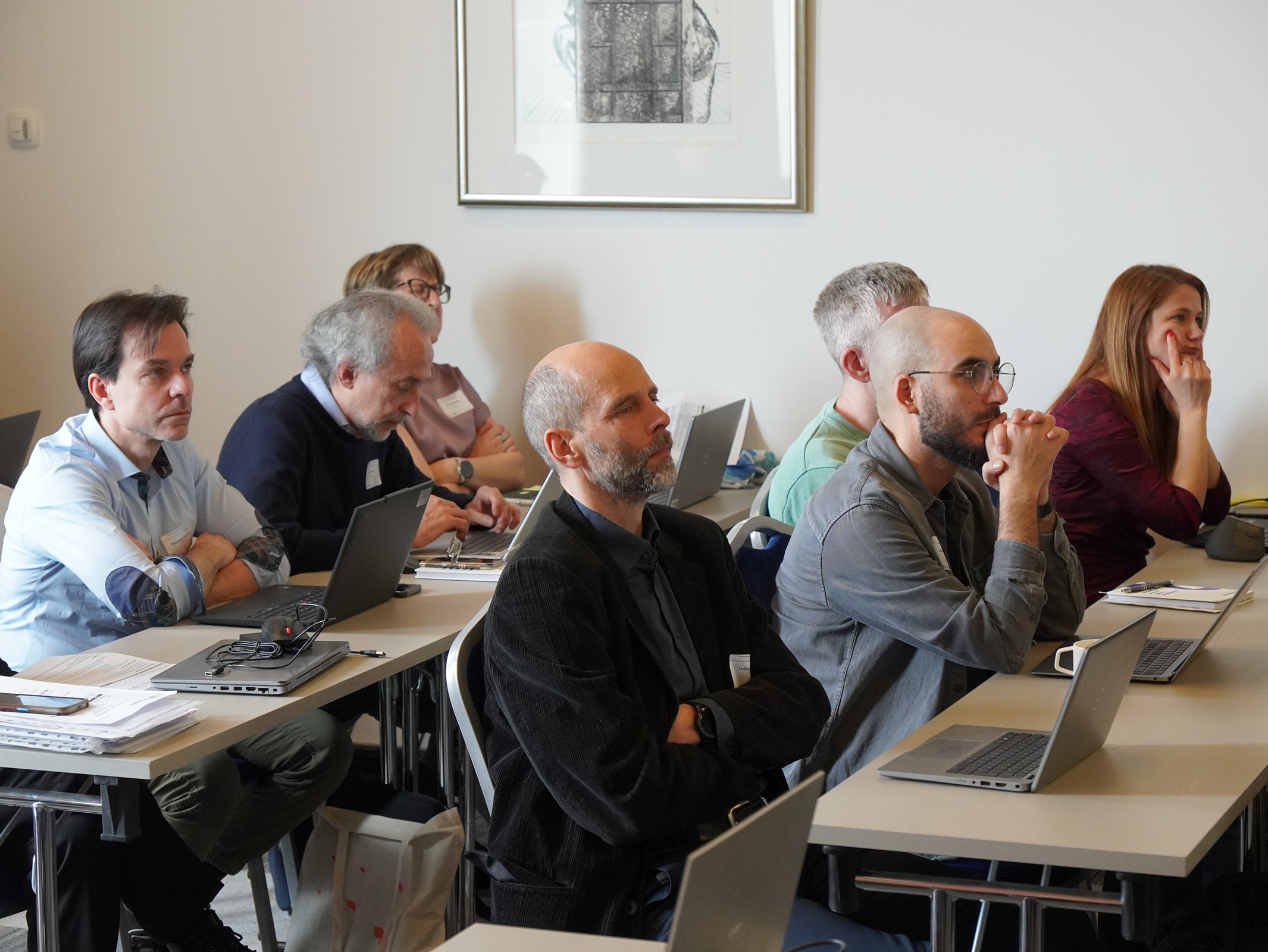
Digital innovation is another important pillar of the project. Several practical tools are being developed to support the implementation of screening programmes. A consolidated EU barrier assessment tool, currently under pilot testing, will help countries identify key barriers and challenges in screening implementation ¬– such as limited awareness, cultural barriers, and mistrust – and link them to evidence-based interventions. Complementing this, a comprehensive toolkit is being developed to help policymakers, screening programme managers, and public health organisations translate evidence-based insights into practical improvements in screening programmes. The toolkit, available on an online platform, will include templates, guidelines, communication strategies, best practice examples, culturally adapted materials, ethical guidance, and training resources, all designed to be adaptable to local contexts and to bridge the gap between research and practice.
In parallel, the project is advancing the MAS-AI tool, which is being adapted to the European context. This tool is designed to support decision-makers in evaluating artificial intelligence applications in healthcare, taking into account clinical, organisational, economic, and ethical considerations. It may also serve as a practical guide for developers, researchers, and clinicians involved in AI tool development and integration.
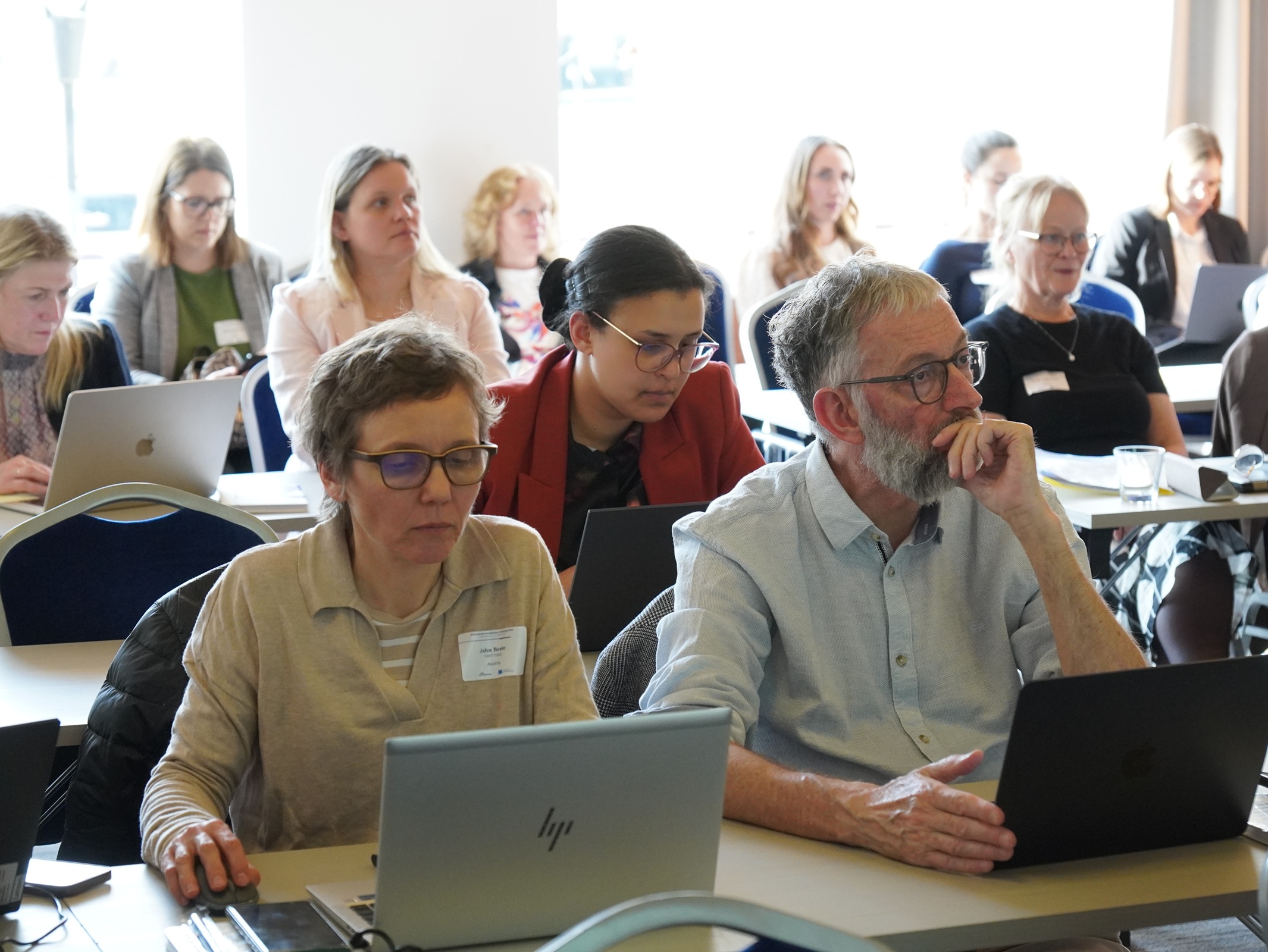
Significant progress has also been made in data harmonisation and monitoring of screening programmes. Survey results from 27 European countries revealed considerable variability in legal frameworks, data linkage capabilities, and screening practices. To address this, the project is developing harmonised indicators and open-source monitoring tools, with pilot implementation planned in the coming months.
Further discussions covered ongoing work on quality assurance, screening invitation strategies, and the development of web-based decision aids, expansion of screening to additional cancer types ¬– lung, gastric, and prostate, as well as advancing risk-based screening approaches and modelling to support more efficient and evidence-based strategies.
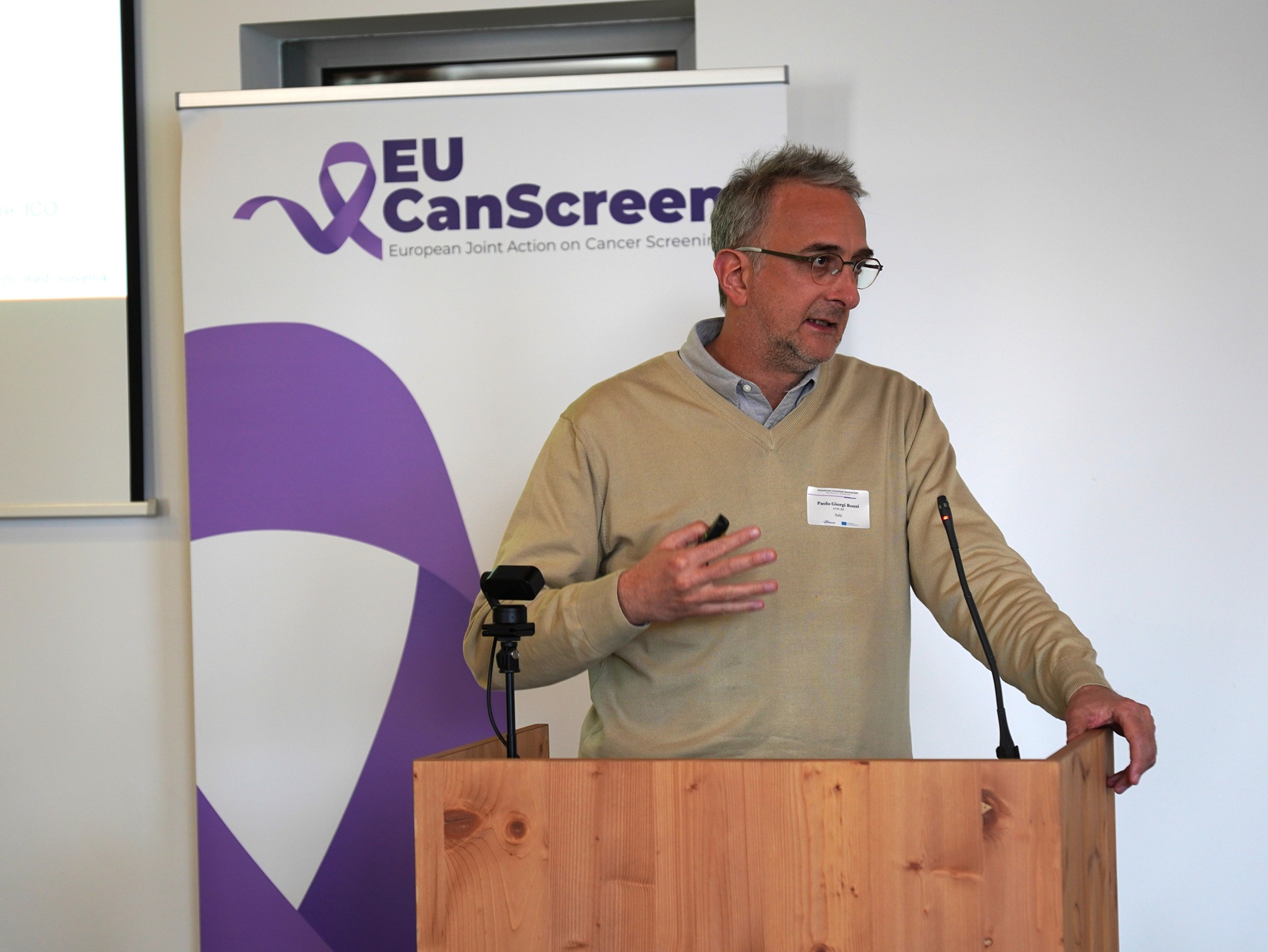
Sustainability remains a core principle of EUCanScreen, with a strong focus on ensuring that project results and tools continue to be used beyond the project’s lifetime. In this context, partners discussed the development of a European-level stakeholder network to support dissemination, policy uptake, and long-term impact.
Overall, as the project approaches its midpoint, the meeting demonstrated strong progress towards the objectives and reinforced a shared commitment to advancing equitable, high-quality cancer screening across Europe.


Co-funded by the European Union. Views and opinions expressed are however those of the author(s) only and do not necessarily reflect those of the European Union or HADEA. Neither the European Union nor the granting authority can be held responsible for them.
. The meeting served as an important forum where partners reported on the project's progress, identified challenges, and outlined plans for future activities, thereby strengthening collaboration towards high-quality and equitable cancer screening throughout Europe.)