
 CONFERENCE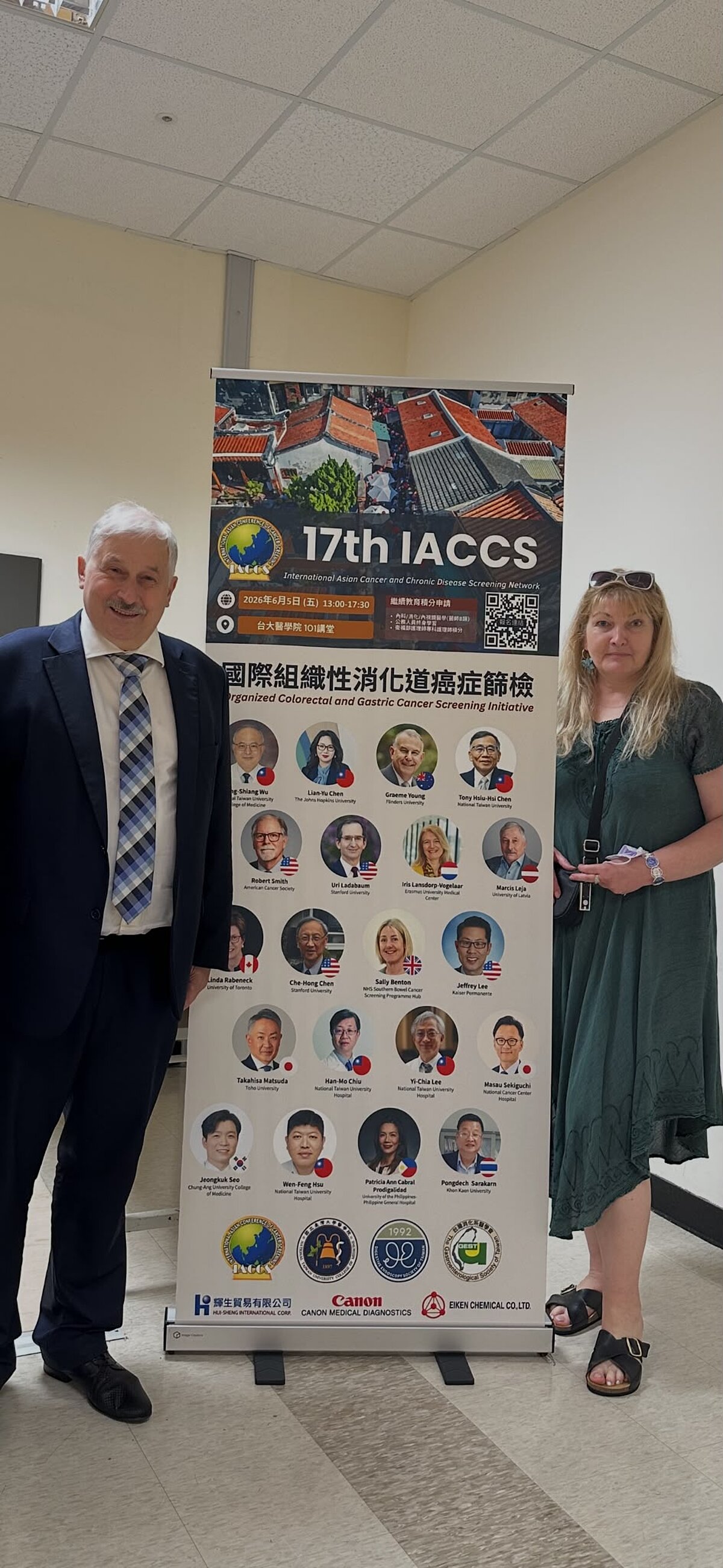
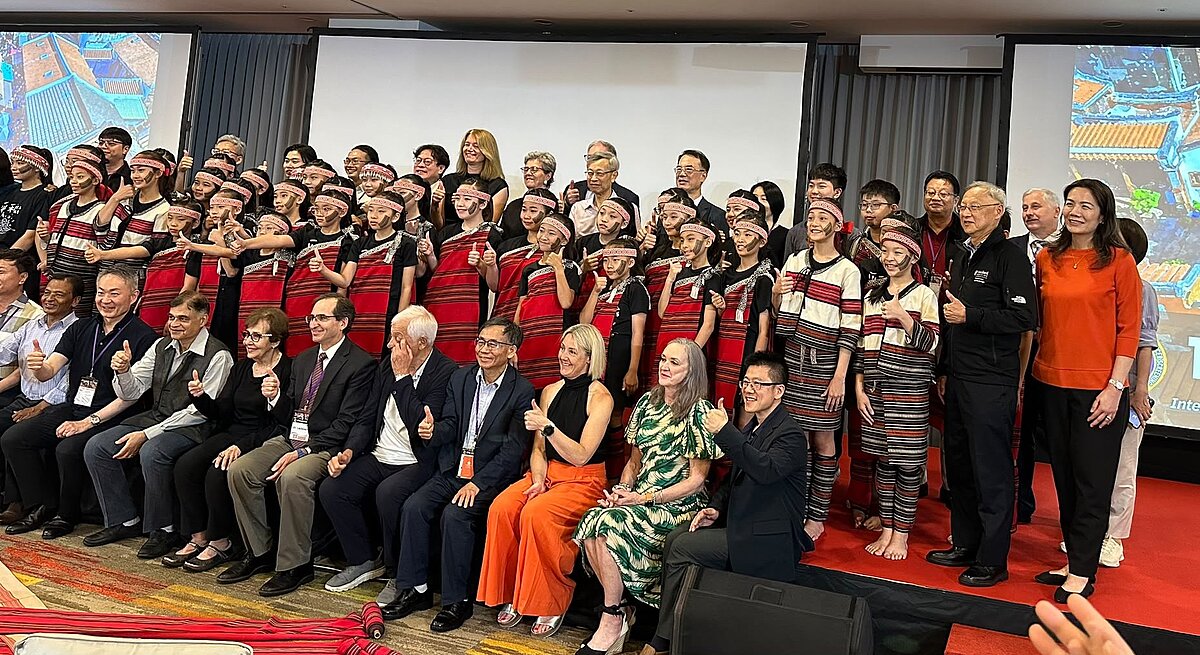
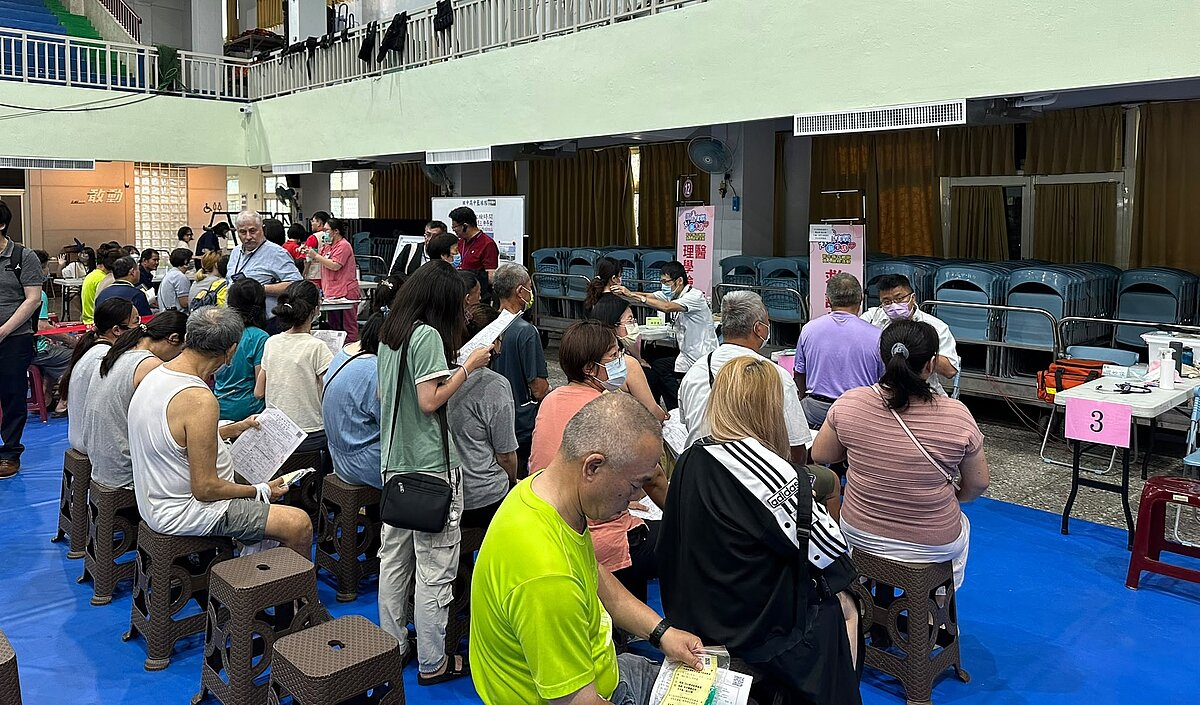
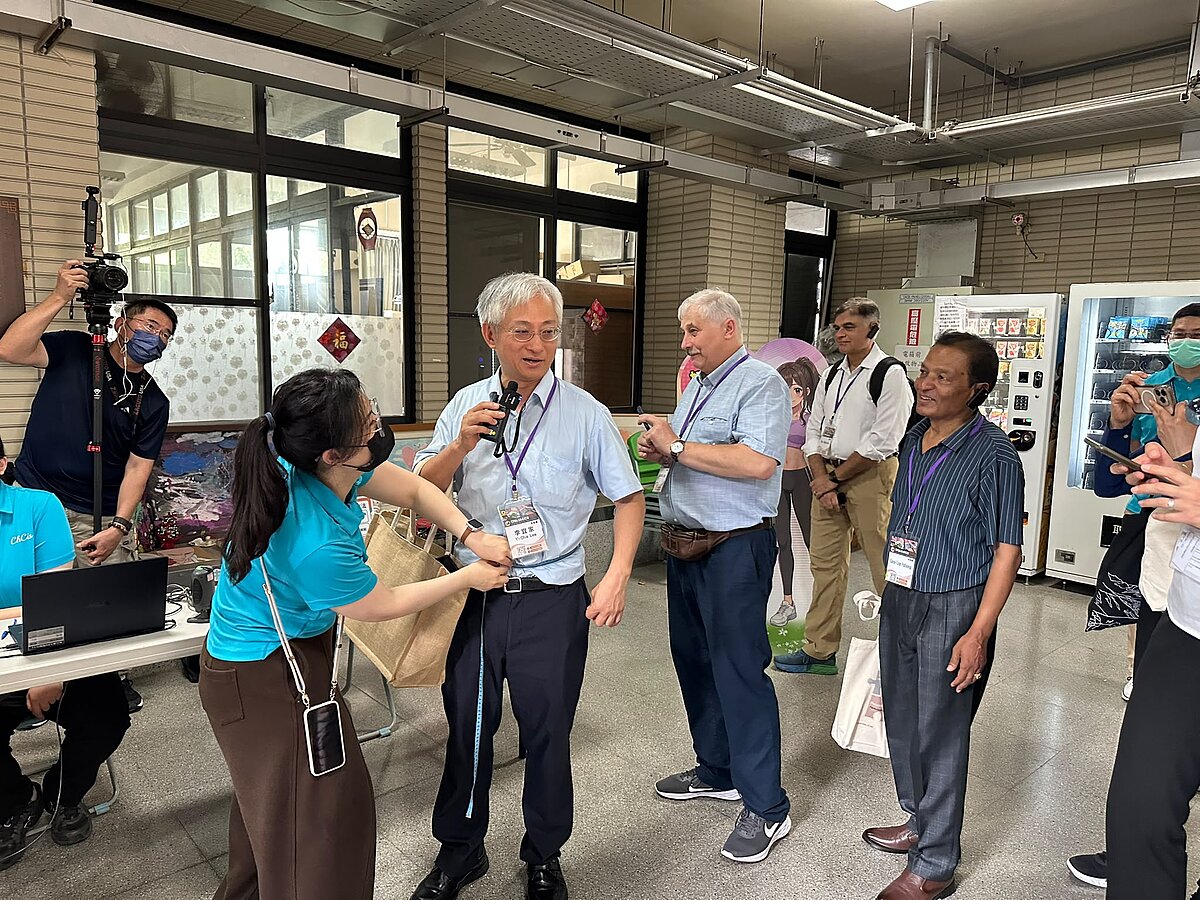
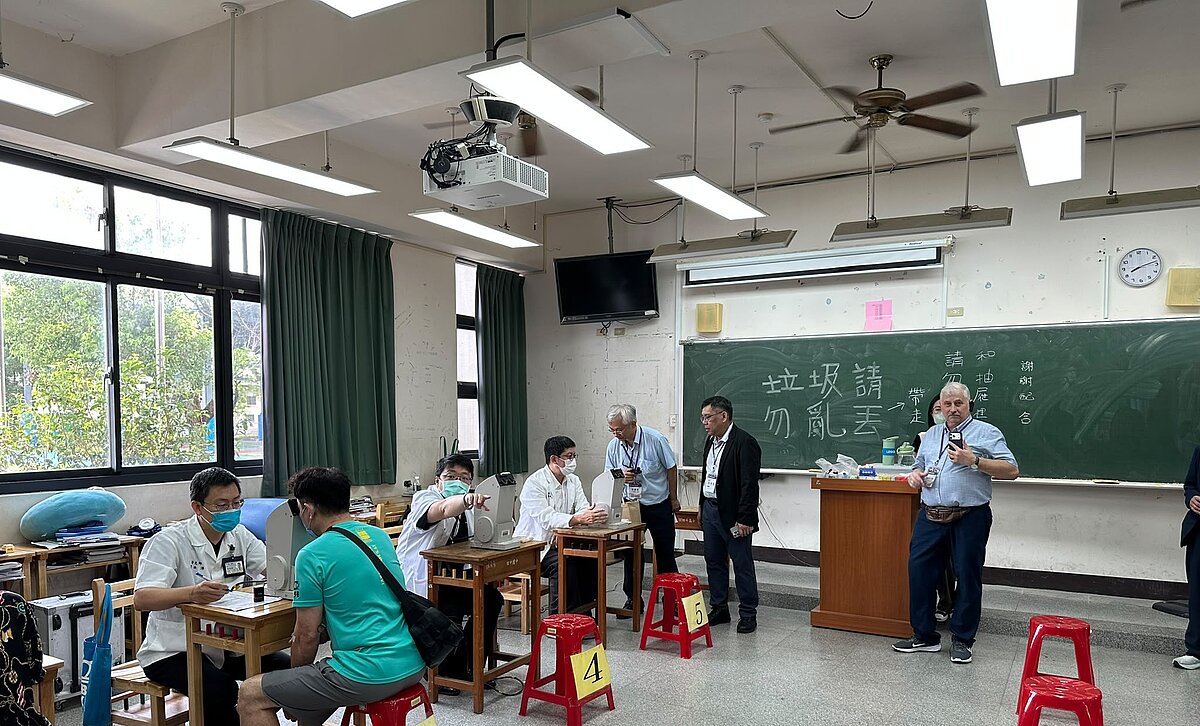
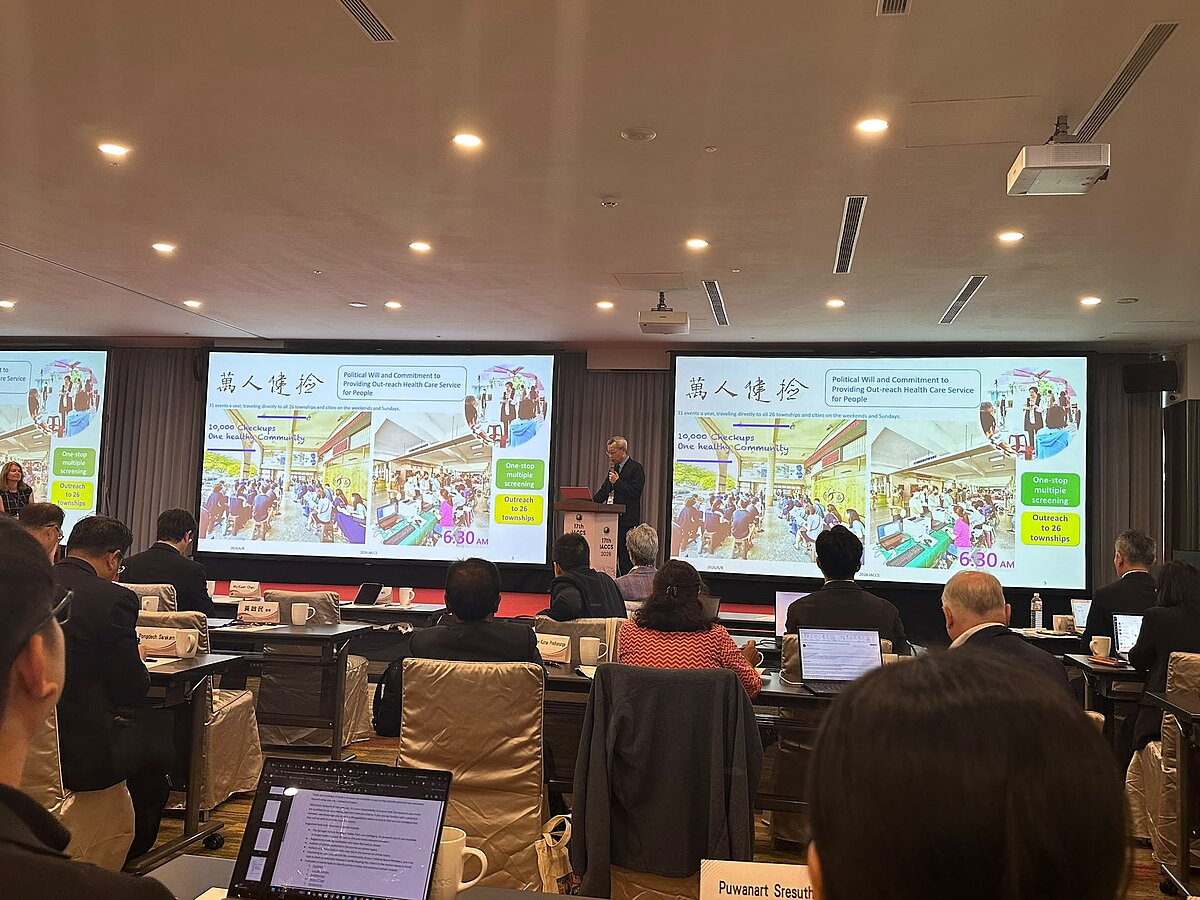
From 5 to 8 June, the 17th International Asian Cancer and Chronic Disease Screening (IACCS) conference took place in Taipei and Changhua County, Taiwan. On the third day of the conference, participants joined an on-site visit to Changhua County to observe how this comprehensive community-based screening is organised in practice. During the weekend, a local secondary school was transformed into a screening centre featuring 16 different examination and consultation stations. Nearly 500 residents attended within just a few hours.
So far, the programme has involved approximately one-third of the local population aged 40 years and over. The model covers screening for seven of the most common types of cancer, chronic diseases, mental health conditions and physical fitness assessment. It integrates a range of innovative approaches, including artificial intelligence (AI) solutions for the analysis of large datasets and screening results, helping to provide more personalised preventive interventions. Two weeks after the examinations, participants meet with a doctor to discuss their results and agree on appropriate follow-up actions, ranging from healthy lifestyle recommendations to additional diagnostic tests, referrals to specialists or the prescription of medication.
The four-day conference brought together experts from across the globe, including representatives from South Korea, Japan, Australia, the Philippines, the United States, Nepal and India. The conference focused on cancer and chronic disease screening aligned with the “4P” healthcare approach: preventive, predictive, participatory and personalised. Participants delivered scientific presentations and engaged in discussions on cancer screening, precision medicine, AI usage and effective population-based screening programmes in different countries.
The University of Latvia was represented by Professor Marcis Leja, Director of the LU MDZF KPMI and Scientific Leader of the European project “Implementation of Cancer Screening Programmes (EUCanScreen)”, together with Project Coordinator Iveta Eniņa. Professor Leja presented lessons learned and long-term outcomes of Latvia's screening programme over the past decade. He also chaired a conference session dedicated to gastric cancer screening.
The visit took place within the framework of the EUCanScreen project coordinated by the LU. The project aims to support the sustainable implementation of breast, cervical and colorectal cancer screening programmes, as well as investigate implementation of screening programmes for lung, prostate and gastric cancer. Knowledge gained during the conference will be integrated into project activities, strengthening the implementation and quality of screening programmes.
The project will also make a significant contribution to improving Latvia’s screening system. According to the OECD’s Country Cancer Profile 2025, both cancer incidence and mortality rates in Latvia remain among the highest in the European Union. Publicly funded screening programmes are available for the early detection of breast and cervical cancer through invitation-based screening, as well as for colorectal and prostate cancer through programmes organised by general practitioners. However, screening coverage in Latvia remains low.


Co-funded by the European Union. Views and opinions expressed are however those of the author(s) only and do not necessarily reflect those of the European Union or HADEA. Neither the European Union nor the granting authority can be held responsible for them.
 participated in a conference in Taiwan to promote international collaboration and exchange experience with leading experts in the field of cancer screening. During a visit to Changhua County, they gained first-hand insight into a unique community-based screening model that has been developed over more than 20 years. In this approach, screening is organised in locations that are easily accessible to local residents, such as schools, community centres and other public venues. This model encourages high levels of participation, enabling hundreds of people to be screened in a single day.)